

Place of Origin:
China
Brand Name:
Rps-sonic
Certification:
CE
Model Number:
SONO-20-305
Contact Us

 Video
Video
Ultrasonic Cutting Device for Cake Cutting
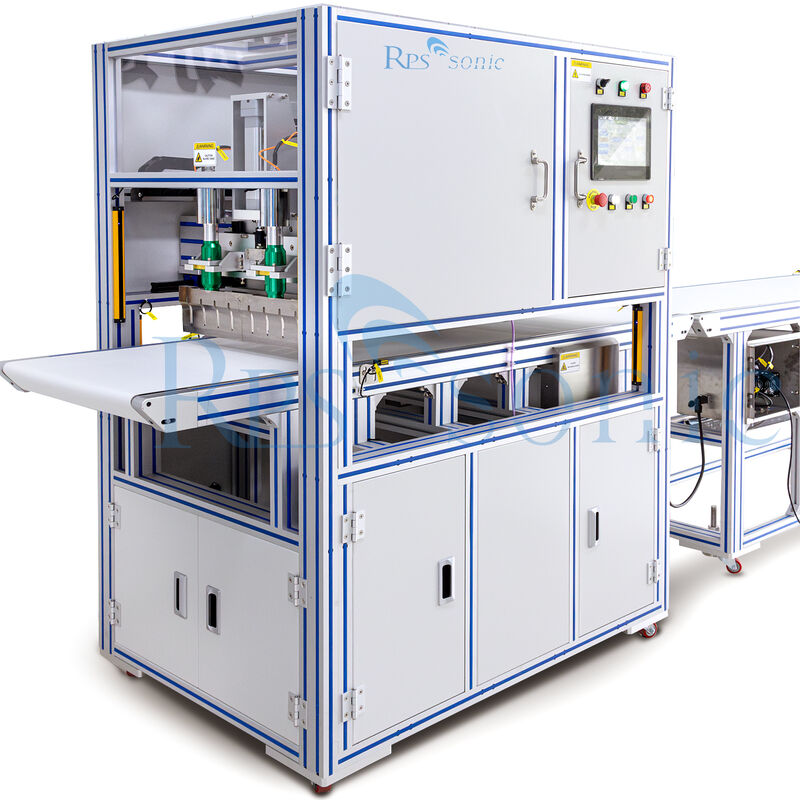
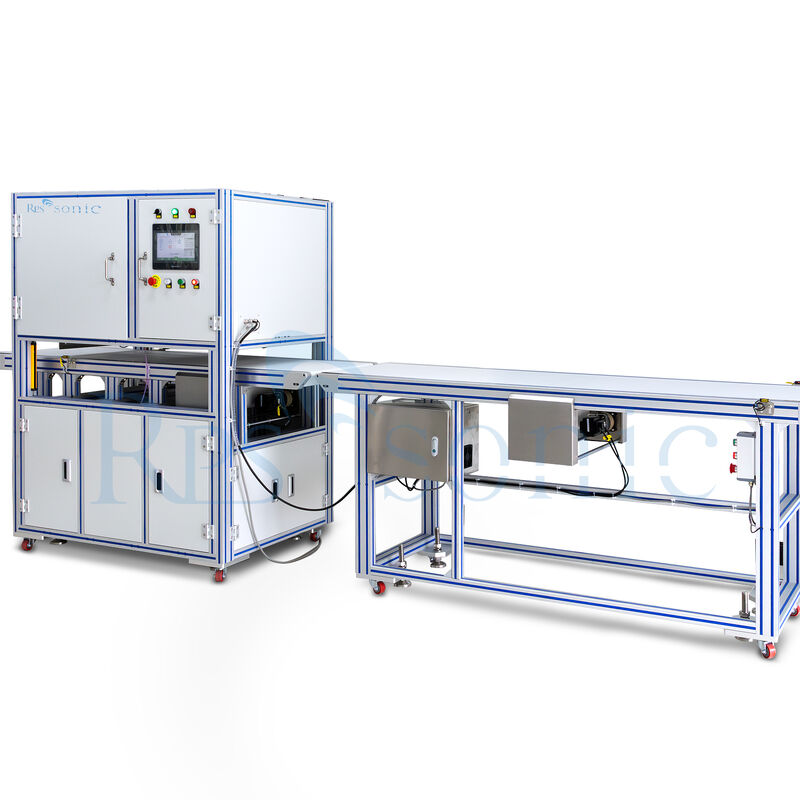
Compared to stand-alone cutting machines, the Conveyor Belt Ultrasonic Cutting System is an automation solution designed for medium to large-sized food processing plants. Its core advantage lies in the perfect combination of the physical cutting advantages of ultrasound with industrial automation.
The following is an analysis of the system's main advantages for your reference when promoting products to large clients:
1. Efficiency & Throughput
Continuous Production: Supports uninterrupted production line operation, eliminating the need for manual product placement and removal. Compared to stand-alone mode, throughput can be increased by 3-5 times.
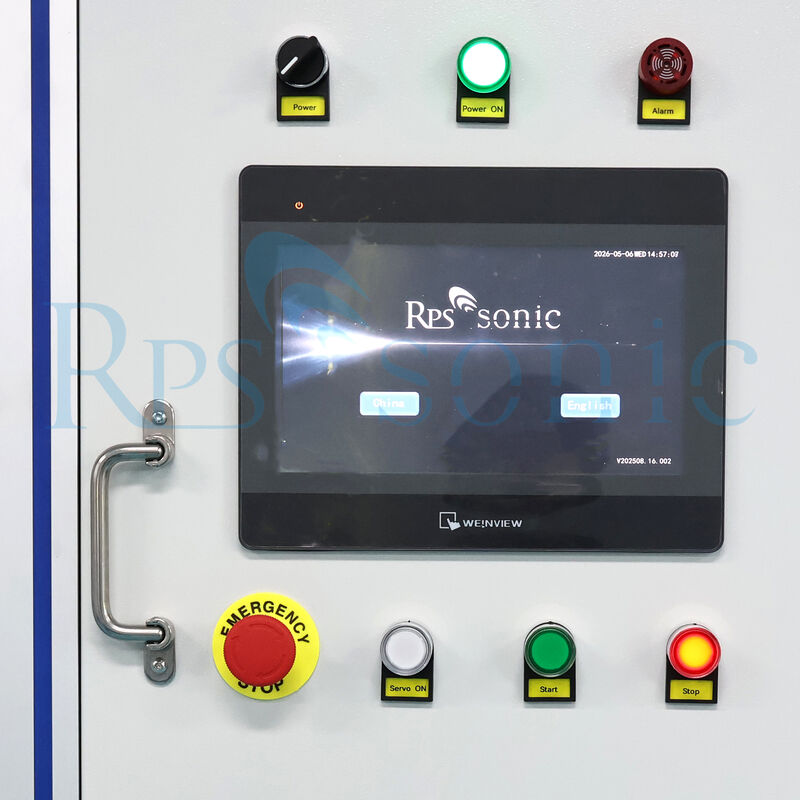
Automatic Positioning and Cutting: Through photoelectric sensing and PLC control, the system can automatically identify product positions and perform precise cutting, greatly reducing manual intervention.
2. Consistency & Precision in Cutting Quality
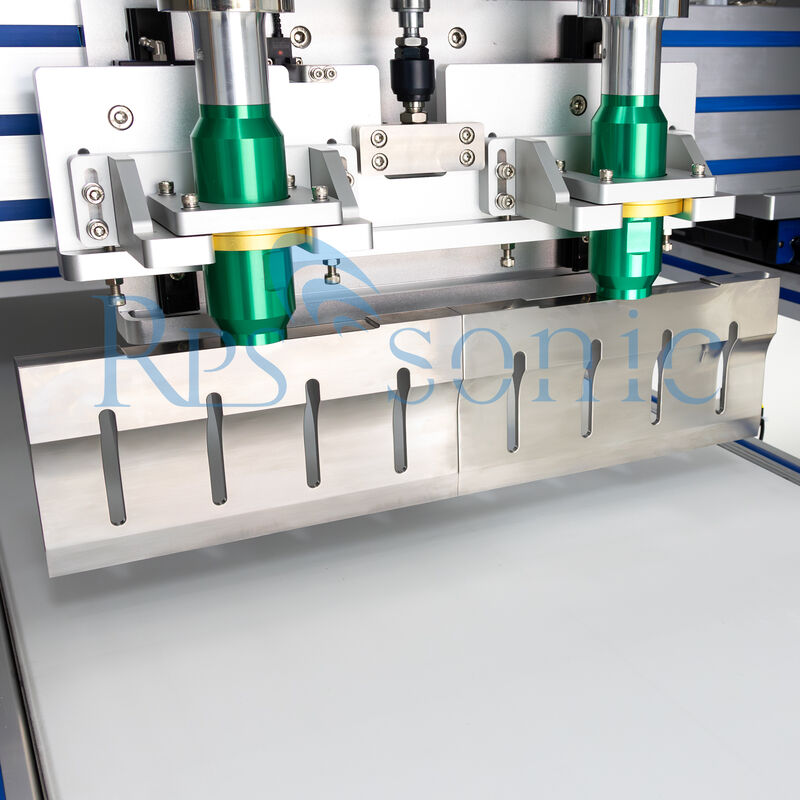
Pressure-Free Cutting: High-frequency ultrasonic vibration significantly reduces cutting resistance, ensuring that soft (e.g., sponge cake) or viscous (e.g., products containing cream layers) products do not deform even during conveyor belt movement.
Perfect cross-sectional consistency: The robotic arm automatically controls the slicing size (e.g., 5x5cm square), ensuring that every piece of product is exactly the same size, which is crucial for branded packaged products.
3. Flexible cutting modes: Multi-dimensional cutting: Conveyor belt systems typically support X/Y axis and even Z axis linkage, enabling automatic switching between various shapes such as squares, rectangles, triangles, rhombuses, or circles.
Online adjustment: The conveyor belt speed and blade descent frequency can be adjusted in real time via the control panel to adapt to products of different densities (e.g., from frozen dough to room temperature sponge cake).
4. Cost Reduction and Resource Optimization (Cost & Labor Saving)
Dimension: Standalone/Manual Cutting vs. Conveyor Belt Automation System; Business Value
Labor Requirements: Requires 2-3 people for coordination; 1 person for inspection; Significantly reduces labor costs.
Material Loss: Rough cut surface, excessive scrap; Clean cut, extremely low loss; Improves raw material utilization.
Operational Risks: Close contact between human hands and blades; Fully enclosed or light curtain protection; Reduces workplace injury risk and insurance premiums.
5. Hygiene & Food Safety
Self-Cleaning Effect: Ultrasonic blades automatically shake off adhering materials during cutting, reducing cross-contamination.
Easy-to-Clean Design: Conveyor belts are typically made of food-grade (FDA/CE certified) materials, supporting CIP (Clean In Place) processes, meeting the requirements of high-standard food processing laboratories and factories.
For example, for soft, easily collapsing chiffon cakes, a low-speed, stable cutting can be selected to ensure the cake's shape remains intact; while for firmer cheese cakes or multi-layered cakes, a higher cutting speed can be used to improve work efficiency. With a wide speed adjustment range, it caters to the personalized needs of different baking scenarios. Overall Advantages: Compact and Practical, Outstanding Quality. As a desktop device, its compact and exquisite design doesn't occupy much operating space, making it ideal for small to medium-sized baking establishments. The device is constructed with high-quality materials, ensuring a sturdy and durable structure. The ultrasonic blades are sharp, wear-resistant, and have a long service life. Simultaneously, the device operates with low noise, ensuring safe and reliable operation and significantly reducing the workload of operators. Whether for daily cake making or mass production during holidays, this device brings great convenience to baking work with its precise cutting effect, convenient operation, and flexible speed adjustment function, helping users enhance product competitiveness. In summary, this desktop ultrasonic cake cutter, with its 305mm wide blade as its core, combined with an intelligent touchscreen and adjustable speed design, perfectly adapts to the cutting needs of round and square cakes, making it a practical tool for improving efficiency and ensuring quality in the baking industry.
What types of food processing industries commonly use ultrasonic cutters?
Ultrasonic cutters are increasingly utilized across various food processing industries due to their efficiency and precision. Here are some of the key sectors that commonly employ ultrasonic cutting technology:
1. Bakery
Cakes and Pastries: Ultrasonic cutters provide clean, precise cuts for cakes, pastries, and other baked goods without causing damage or crumbling.
Bread Slicing: Ensures uniform slices of bread, enhancing presentation and portion control.
2. Dairy
Cheese Cutting: Ideal for slicing soft and hard cheeses, maintaining texture and minimizing waste.
Butter and Margarine: Used for portioning and cutting blocks of butter or margarine smoothly.
3. Meat Processing
Slicing Meat: Effective for cutting various meats, including deli meats, fish, and poultry, ensuring clean cuts that preserve quality.
Portion Control: Helps in achieving consistent sizes for packaging and presentation.
4. Fruit and Vegetable Processing
Slicing and Dicing: Ultrasonic cutters can slice or dice fruits and vegetables with minimal bruising, preserving freshness and appearance.
Processing Delicate Items: Suitable for soft fruits like tomatoes, avocados, and berries, which are prone to damage with traditional cutting methods.
5. Confectionery
Chocolate Cutting: Provides precise cuts for chocolate bars and confections, ensuring a clean finish without melting or smudging.
Gummy Candies: Used for cutting gummy candies into uniform shapes without sticking.
6. Seafood Processing
Filleting: Ultrasonic cutters are effective for filleting fish, allowing for clean cuts that maintain the quality of the flesh.
Shrimp and Other Shellfish: Used for portioning and processing shellfish delicately.
7. Frozen Food
Cutting Frozen Products: Ultrasonic technology can slice through frozen foods, such as frozen pizzas or meat products, without damaging the food structure.
8. Snack Food Production
Cutting Bars and Snacks: Effective for cutting granola bars, protein bars, and other snack foods into uniform sizes.
Conclusion
Ultrasonic cutters are versatile tools that enhance efficiency, precision, and quality in various food processing industries. Their ability to handle a wide range of materials while preserving texture and appearance makes them an attractive option for manufacturers aiming to improve their production processes.
Advantage of ultrasonic food cutter
It's important to note that the specific features, capabilities, and designs of ultrasonic food cutters may vary among manufacturers. It's advisable to consult the manufacturer's documentation or contact their support team for detailed information regarding a specific ultrasonic food cutter model.
Automated ultrasonic food cutters offer several advantages over traditional cutting methods. Here are some of the key benefits:
1. Precision Cutting
Clean Cuts: Ultrasonic technology produces high-frequency vibrations that enable precise and clean cuts, minimizing damage to the food structure.
Consistent Size: Ensures uniformity in the size and shape of cut pieces, which is important for presentation and portion control.
2. Reduced Friction and Heat
Lower Heat Generation: The ultrasonic cutting process generates less friction, which helps maintain the food's temperature and prevents cooking or melting during cutting.
Preserves Quality: This is particularly beneficial for delicate items like cakes, cheese, and meats, preserving their texture and appearance.
3. Versatility
Wide Range of Materials: Effective on various food types, including soft, hard, and fibrous products, making it suitable for diverse applications in food processing.
Customizable Settings: Automated systems can be adjusted for different food types and desired thicknesses, enhancing flexibility in production.
4. Increased Efficiency
Faster Processing: Ultrasonic cutters can operate at higher speeds compared to traditional methods, improving throughput in food processing operations.
Reduced Downtime: Automated systems can operate continuously, reducing the need for manual intervention and increasing overall productivity.
Send your inquiry directly to us

