

Place of Origin:
China
Brand Name:
RPS-SONIC
Certification:
CE
Model Number:
RPS-TN-20
Contact Us
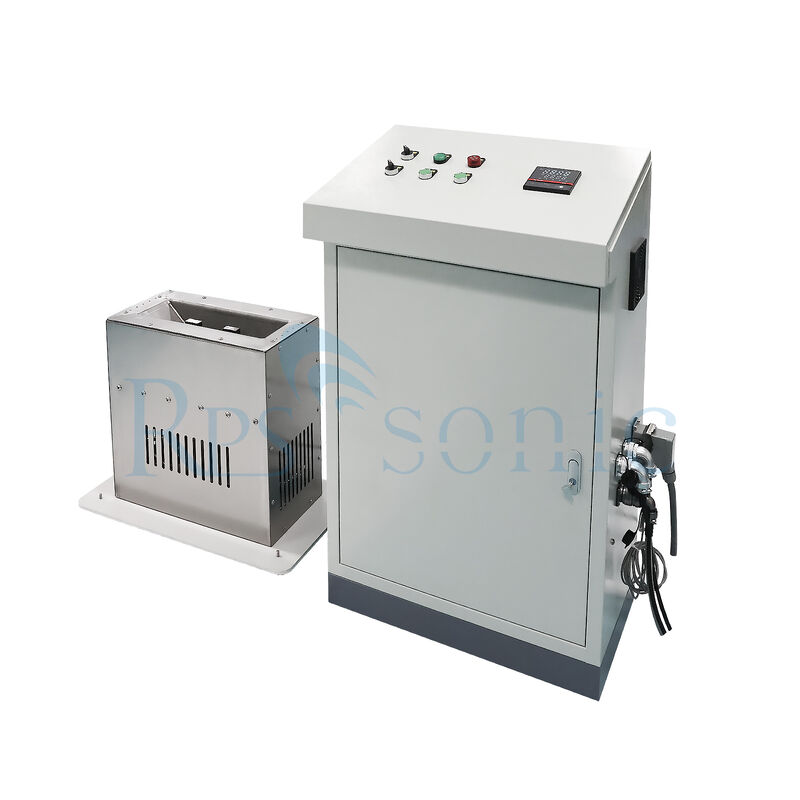
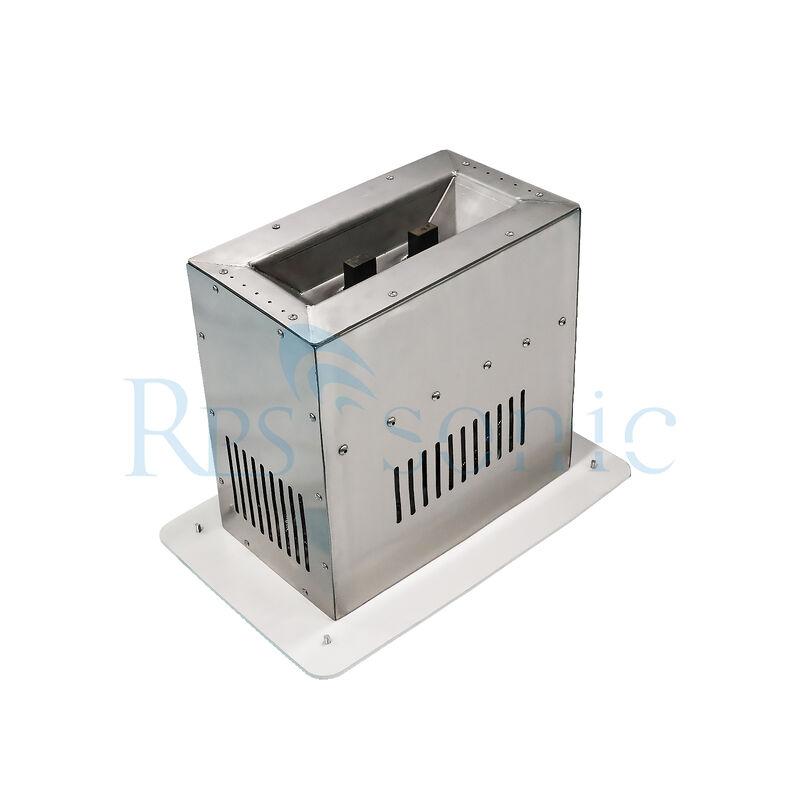
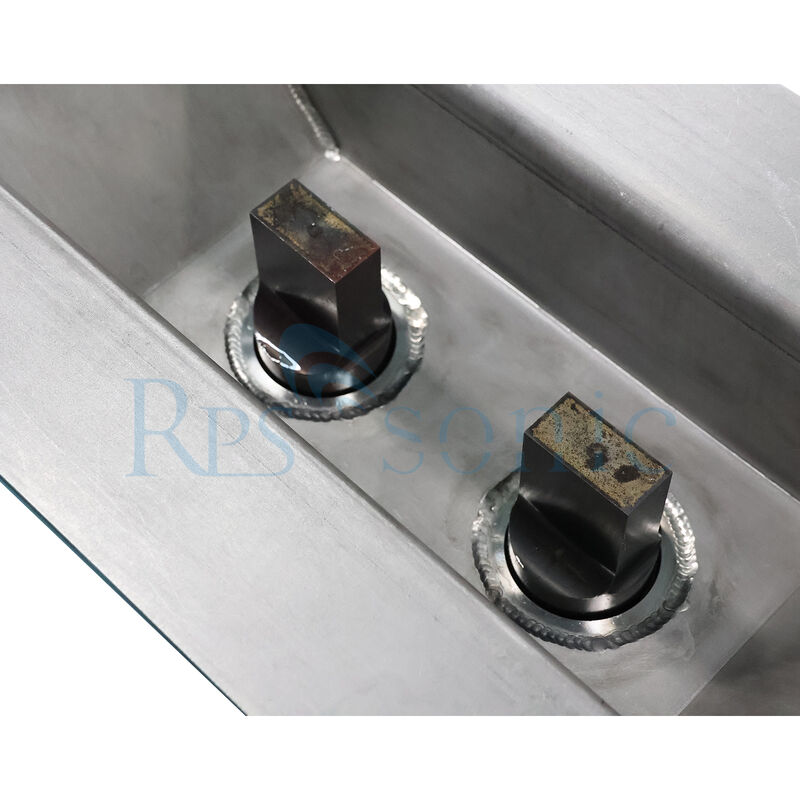
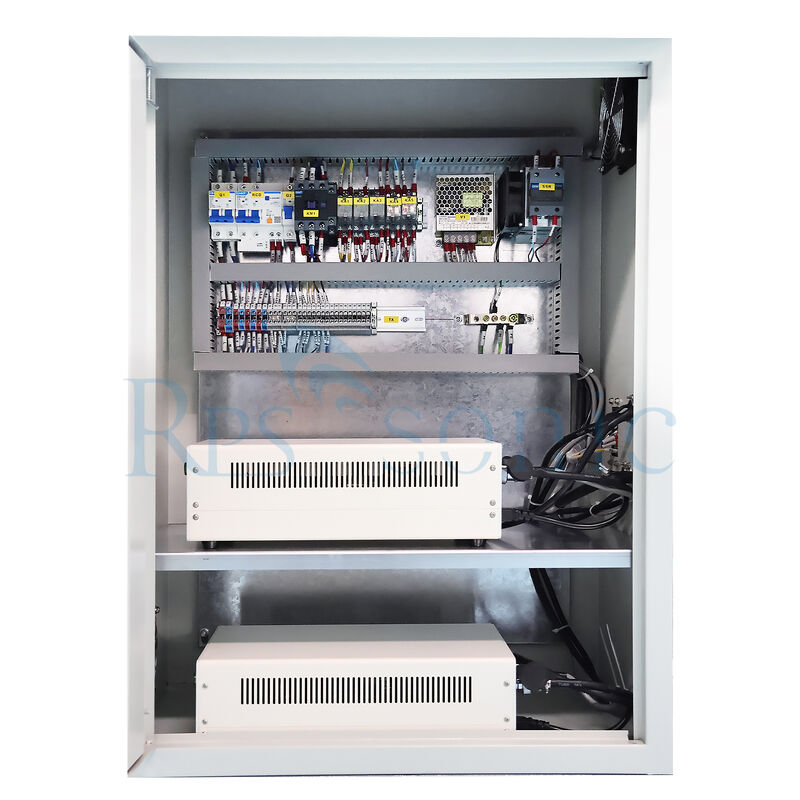
New Application High efficiently Ultrasonic Tinning Ultrasonic Dipping Soldering machine
What is ultrasonic tinning machine?
An ultrasonic tinning machine is a specialized piece of equipment used in the electronics manufacturing industry. It employs ultrasonic waves to enhance the tinning process, which involves coating metal surfaces with a layer of tin. This is particularly important for improving solderability and preventing corrosion on components such as wires, connectors, and circuit boards.
Key Features of Ultrasonic Tinning Machines:
Ultrasonic Technology: Utilizes high-frequency sound waves to create microscopic cavitation bubbles in a liquid bath, aiding in the removal of contaminants and improving the adhesion of the tin.
Efficiency: The ultrasonic action allows for faster and more uniform tinning compared to traditional methods.
Quality: Produces a smoother and more consistent tin coating, which enhances the electrical conductivity and longevity of the components.
Environmentally Friendly: Often uses less harmful chemicals compared to conventional tinning processes, reducing the environmental impact.
Versatility: Suitable for various materials and component shapes, making it useful in multiple applications.
Applications:
Electronics Manufacturing: Used for preparing and coating electronic components for soldering.
Automotive Industry: Tinning of connectors and wiring to enhance reliability.
Telecommunications: Coating of components to ensure effective signal transmission.
Overall, ultrasonic tinning machines are vital for ensuring high-quality surface finishes in electronic components, contributing to better performance and reliability in end products.

Ultrasonic tinning machines use the cavitation effect and mechanical vibration generated by ultrasound in molten tin liquid to achieve tinning treatment on the metal surface. The specific process is as follows:
Generation of high-frequency electrical signals: The ultrasonic generator generates high-frequency electrical signals, generally with a frequency of about 20-30kHz.
Signal amplification and conversion: After the electrical signal is amplified by the loudspeaker, it is transmitted to the ultrasonic transducer, which converts the electrical signal into mechanical vibration and generates high-frequency sound waves.
Oxide layer peeling: The sound wave is transmitted to the working head, which applies vibration to the tin liquid to generate tiny bubbles in the molten tin liquid. When the sound pressure reaches a certain value, the bubbles expand rapidly and then suddenly close, generating shock waves and microjets. These physical effects can destroy and remove the oxide layer on the metal surface.
Tin liquid penetration and adhesion: The vibration energy pushes the liquid tin into the metal micropores and gaps, so that the tin liquid can wet the metal surface and form a uniform and firm tin layer on it, eliminating welding bubbles and improving the adhesion and sealing between weldments or between tin and weldments.
What industries are currently adopting ultrasonic tinning technology?
Ultrasonic tinning machines, with their advantages of no chemical pollution, uniform plating, strong adhesion, and wide applicability to various solderable materials, are used in multiple fields including electronics manufacturing, automotive electronics, aerospace, industrial power, new energy, and special material processing. Here is a detailed introduction:
Electronics Manufacturing:
Connectors and Terminals: Precision connectors, copper busbars, and terminals requiring uniform, corrosion-free plating.
PCB Components: Localized tinning of transformer leads, magnetic ring inductor leads, and heat sink substrates (such as aluminum substrates) to improve soldering quality and conductivity.
Vacuum Brazing Pre-treatment: Provides a clean, solderable surface for ceramic metallization, composite busbars, and other products, ensuring reliable subsequent soldering.
Motors and Inductors: Tinning of copper or aluminum wire ends in motor windings facilitates subsequent soldering or connection and reduces contact resistance.
Automotive Electronics and New Energy:
Wire Harness Processing: Tinning of copper and aluminum wire ends, replacing cold pressing, improving conductivity and corrosion resistance, and meeting the high current requirements of new energy vehicles.
Battery Manufacturing: Tin plating of battery connectors (nickel and copper sheets) and busbars reduces contact resistance and improves battery pack charging and discharging efficiency and safety.
Sensors and Controllers: Processing of various signal lines and power terminals ensures stable signal transmission and reliable connections.
Aerospace and Military Industries: High-Reliability Cabling: Providing residue-free, corrosion-resistant plating for aviation cables and weapon equipment terminals, avoiding electrochemical corrosion or foreign matter problems caused by flux, and ensuring connection stability in extreme environments.
Special Material Processing: Tinning pretreatment suitable for various special alloy materials such as titanium and nickel-based alloys, meeting the stringent requirements for material connections in military products.
Industrial and Power Industries: Motors and Electrical Equipment: Tinning of motor winding ends facilitates connection between windings and leads, improving conductivity and anti-aging properties.
Cable Accessories: Tinning of cable connectors and conductive rods enhances conductivity and corrosion resistance, extending the service life of power equipment.
Power Fittings: Tinning of metal parts requiring improved welding or conductivity improves power transmission efficiency and safety.
New Energy and Semiconductor Fields
Solar Cells: Tinning of electrodes for silicon wafers and thin-film batteries in solar cells enables reliable connections between dissimilar materials (such as aluminum-glass and aluminum-ceramic), improving photoelectric conversion efficiency.
Semiconductors and Sensors: Tinning of semiconductor device pins and ceramic heaters ensures electrical connection stability and heat dissipation performance, meeting the high-precision requirements of the semiconductor industry.
Specialty Material Applications
Aluminum and Aluminum Alloy Tinning: Traditional methods are extremely difficult to solder. Ultrasonic tinning utilizes the cavitation effect to remove the oxide layer, achieving high-quality tin plating on aluminum parts. Aluminum wire can be used instead of copper wire, saving costs (approximately 80%).
Difficult-to-Solder Metals Treatment: Suitable for tinning of difficult-to-solder metals such as stainless steel, nickel, molybdenum, and titanium, solving problems such as difficult soldering and poor coating adhesion in traditional processes.
Dissimilar Material Connections: Supports tinning of dissimilar material combinations such as aluminum-copper, copper-glass, and aluminum-ceramic, facilitating the development of new materials and products.
Can you explain the ultrasonic tinning process in more detail?
The ultrasonic tinning process involves several key steps and utilizes ultrasonic technology to enhance the tinning of metal surfaces. Here’s a detailed breakdown of the process:
1. Preparation of Components
Cleaning: Before tinning, components must be thoroughly cleaned to remove contaminants such as oils, dirt, and oxidation. This step is crucial for ensuring good adhesion of the tin layer.
Inspection: Components are inspected for defects or irregularities that might affect the tinning process.
2. Ultrasonic Cleaning
Ultrasonic Bath: The components are immersed in a liquid cleaning solution (often water-based) within an ultrasonic cleaning tank.
Ultrasonic Waves: High-frequency sound waves are generated using transducers, creating rapid pressure changes in the liquid. This leads to the formation and collapse of microscopic bubbles (cavitation).
Effective Cleaning: The cavitation action effectively dislodges contaminants from the surface of the components, ensuring a clean substrate for tinning.
3. Tinning Process
Tinning Bath: After cleaning, the components are transferred to a tinning bath that contains molten tin or a tin alloy.
Ultrasonic Application: Ultrasonic waves are applied during the tinning process. This helps in:
Enhancing Heat Transfer: The vibrations increase the movement of tin particles, promoting better heat transfer and faster melting.
Improving Wetting: The ultrasonic waves facilitate the wetting of the substrate with the molten tin, ensuring a uniform coating.
Time and Temperature Control: The process is controlled for optimal time and temperature to achieve the desired thickness and quality of the tin layer.
4. Cooling and Solidification
Cooling: After the components are coated, they are removed from the tinning bath and allowed to cool. The cooling process solidifies the tin layer.
Inspecting the Coating: The thickness and quality of the tin coating are inspected to ensure they meet specifications.
5. Post-Tinning Treatment
Finishing Processes: Additional processes, such as polishing or further cleaning, may be applied to enhance the surface finish or prepare the components for assembly.
Quality Control: Final inspections are performed to ensure the components meet all required standards before they are shipped for use in manufacturing.
Benefits of Ultrasonic Tinning Process
Enhanced Cleaning: The ultrasonic cleaning step ensures that surfaces are free from contaminants, which is critical for adhesion and performance.
Uniform Coating: The application of ultrasonic waves during tinning promotes even distribution of the tin layer.
Efficiency: The process reduces the time required for cleaning and tinning, increasing overall production efficiency.
In summary, the ultrasonic tinning process combines advanced cleaning and coating techniques to produce high-quality, reliable components suitable for various applications in the electronics and other industries.
Send your inquiry directly to us

